


Exciting Paint Inlay Technique: How To Apply Paint Inlays Into Spackle Plaster

You’re in for a treat! In this tutorial, IOD Artisan Lynne Brundage shares an exciting way to apply IOD Paint Inlays by transferring the inlay directly into wet spackle plaster instead of chalk-type paint. She trims the inlay, then builds broken, centuries-old style frames around each inlay using detailed castings made with IOD Air Dry Clay and IOD Moulds.
Lynne explains how she dusts moulds with cornstarch, releases delicate castings, and shares tips for drying your castings evenly. She adds extra ornamentation with pieces from the Victoriana Mould and a single drop from Dainty Flourishes, leaving parts of the outer frame intentionally incomplete. She finishes by painting the castings white, stamping small details with the Ephemeral Type Stamp, layering gray paint glazes for depth, dry brushing white highlights, and applying black glaze for added texture.
Grab your IOD goodies from your local stockist! If you’re not sure where to find one, click here to use our store locator.
IOD Products Needed:
Other Supplies:
- Corn Starch
- Birch Plywood
- Fusio Mineral Paint Casenent
- Spackle
- Plaster Primer and Plaster
- Black Antique Glaze
-
White Antique Glaze
Step by Step Guide: Exciting Paint Inlay Technique: How To Apply Paint Inlays Into Spackle Plaster
STEP ONE: PREP YOUR PAINT INLAY
For this project, Lynne chose to work with the delicate black details in the Hameau de la Reine Paint Inlay, carefully cutting the illustration from its frame to suit her vision. She’s saving those frame pieces for another day—they’re just too beautiful to discard.


STEP TWO: CAST & ARRANGE YOUR MOULDS
Moving from the paint inlay to molds, Lynne prepares her canvas, which is a plaster panel. She’s using the Wreath & Swags Mould, where she’ll lightly dust with cornstarch and press in some IOD Air Dry Clay. These moulds are detailed and delicate, so she decasts her moulds onto a flat surface to retain their intricate pattern.
To extend and enhance the wreath shapes, she incorporates bits from the Felicity Mould, adding smaller elements to complete the look. It’s not just about filling gaps; it’s about creating something that feels like it’s been around for generations, with fragments of plaster falling away over time.


STEP THREE: PREPARE THE PROJECT BASE & APPLY INLAYS
While her clay castings dry in the food dehydrator, which ensures even drying, she prepares the birch plywood. With a simple application directly into a spackle-type plaster, she applies her Paint Inlays. The water-activated inlays transfer beautifully into the moisture of the spackle, revealing exciting results once dried.
The excitement builds as she removes the inlays, unveiling the beautiful illustrations embedded in the plaster. To preserve this piece of art, use a water-based spray varnish to seal the inlay pigments.


STEP FOUR: APPLY MOULD CASTINGS TO THE PROJECT
Once dry, she arranged the moulds around each inlay on the panel using a strong glue to secure them, embracing gaps and inconsistencies for a truly vintage feel. Additional castings from the Victoriana and Dainty Flourishes Moulds lend a touch of elegance to the piece.


STEP FIVE: PAINT & STAMP EXTRA DETAILS
To finish, Lynne paints white paint with a built-in top coat over the entire surface of the castings, followed by a wash of glazes to add depth and texture. She then applies a few stamped details from the Ephemeral Type Stamp around the base of her project to serve as a unique storytelling element.


STEP SIX: APPLY ONE FINAL COAT OF PAINT
To add depth, she mixes black and white paint into a soft gray glaze, brushes it on with plenty of water, then wipes it back with a damp cloth or baby wipe. She works around the panel in light layers, shifting the gray tones and building extra depth in areas that need a little more shadow and character.

If you're just kicking off your creative journey, have no fear — our Product 101 pages are packed with straightforward techniques to set you up for success. We're thrilled to accompany you as you explore and create. For more how-tos and creative inspo, make sure to browse through the rest of our blog.
Once you've crafted your final piece, share it with our Facebook Creative Tribe! This community is not just a showcase but also a supportive hub for when you hit those creative roadblocks. And remember, your local stockist is always ready to assist with IOD supplies and expert advice. We're excited to see what you'll bring to life!
 ×
×
popular
- They're Back | 3 DIY Christmas Ornaments with IOD's Most-Requested Holiday Moulds
- Before the Wall | How Jonathon Builds an Autumn Gallery Wall with IOD
- Don't Let Fall End Without Making These 9 Cozy DIY Projects
- Gathered in Gratitude | Autumn Wall Art with IOD | Lisa from Sweet and Sassy Treasures
- Autumn Harvest Tray with IOD Moulds

Framed in Beauty | How to Create Vintage-I...
Pin this article to save for later If you've ever walked past an antique shop window, spotted a gorgeous gilded frame, and thought, 'I could make that, ' this project is about to prove you...
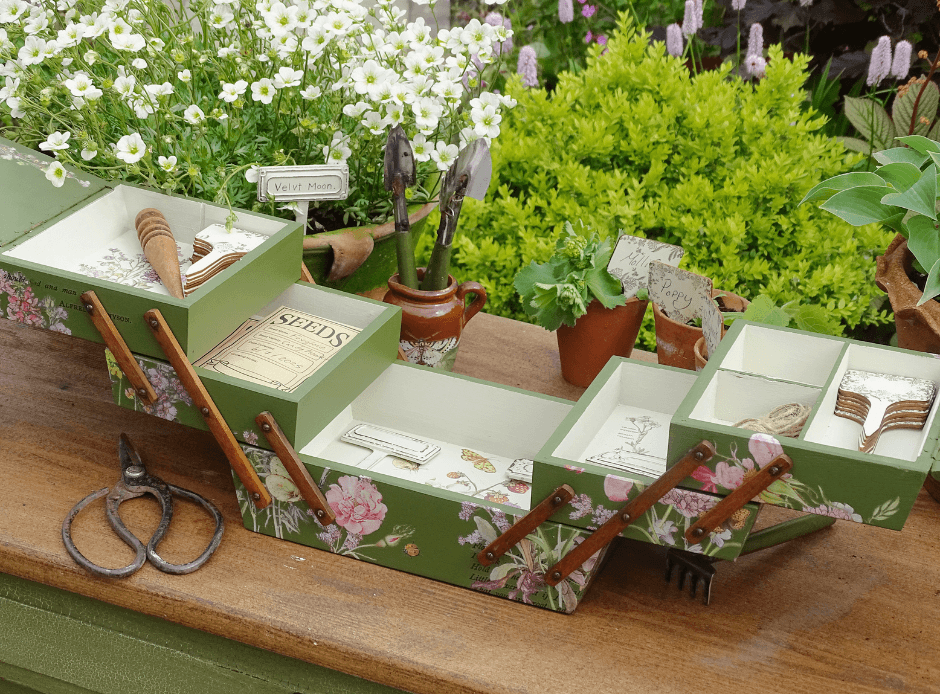
HOW TO MAKEOVER A VINTAGE STORAGE CADDY WI...
Pin this article to save for later If you're anything like us, you can't resist giving a beautiful vintage find a second life. In this project, our talented IOD Artisan Jonathon Marc Mendes transforms a...
