


Back to the Basics with IOD Moulds: Guide, Tips & Tutorials

Sometimes the quickest way to get unstuck isn’t learning a brand-new thing—it’s circling back to the basics and remembering why you fell in love with creating in the first place. It’s kind of like re-reading a favorite chapter in a book. ❤️
If you’re new to IOD Moulds, welcome! And if you’ve been using them for years? You’re in the right place, too. Nobody outgrows the basics, and some of the best “ohhh, that’s why!” moments come from tiny little tweaks to your creative process, like dusting with cornstarch, avoiding air bubbles in air-dry clay, or knowing exactly what to do when a casting decides to be…stubborn.
In Back to the Basics with IOD Moulds, we’ve gathered our most helpful tips, tutorials, and resources from the IOD team and our talented Artisans, so you have a go-to guide whenever you need a refresher. Grab your favorite mould, your medium of choice, and let’s make something lovely together.
The Basics
What are IOD Moulds?
IOD Moulds are known for their deliciously crisp and beautifully distinct details—these are the moulds you reach for when you want a project to look gorgeously vintage and elevated.
They’re made from food-safe materials—so yes, you can use them for baking and sugar work—just keep one set for food and a separate set for crafts. From furniture and small decor to soaps, jewelry, and edible treats, they’re made to play across all kinds of projects.
And when we say you can cast with just about anything…we mean it. Air-dry clay, resin, polymer clay, paper clay—you name it. One mould, a bazillion mediums, and suddenly you’ve got those delicious embellishments ready to dress up whatever’s on your table.
What medium can I use with IOD Moulds?
IOD Moulds play beautifully with all kinds of mediums. We’ll cover the most common ones here. Each medium has its own quirks, challenges, and perks, so part of the fun is finding what works best for your project and your style.
Air Dry Clay
IOD Air Dry Clay is one of our favorites. Like most paper-pulp air dry clays, a little shrinking, warping, or fine cracking can happen as it dries. Those little quirks add to that authentically vintage look.
Our favorite way to use it with moulds is to pop the casting out while it’s still moist, then adhere it right away with the appropriate glue so it can gently conform to the surface as it dries. If you’re working on a vertical piece, a strip of low-tack tape works like a little helping hand for holding everything in place so it doesn’t slide while it sets.
Casting Resin
There are some wonderful pourable resins out there, and they behave very differently from paper clay. Resin doesn’t shrink or warp as it cures, so your castings come out super consistent, which can be a big help depending on the project and the look you’re after.
If you need a casting to hug a gently curved surface, you can do that too—just remove it from the mould before it’s fully hardened and shape it while it still has a little flexibility.
A couple of important notes:
We strongly recommend using a mould release/conditioner when working with resin to help extend the life of your mould.
Mix your resin exactly according to the directions on the packaging—resin that isn’t measured or mixed properly can cause curing issues and may damage the mould.
Royal Icing
Whip up your royal icing using your favorite recipe. Then thicken it with confectioners’ sugar until it feels like very stiff air-dry clay; you want it firm enough to hold crisp detail without slumping.
Before you fill your IOD mould, give it a light dusting of cornstarch for an easier release. Press the icing into the cavities, let the casting dry (it sets up fairly quickly), then de-cast and attach it to your cookie with a little soft royal icing as your “glue.” Don’t forget to set aside a mould specifically for the kitchen; no one likes air dry clay in their sugar cookies. 😉
Back to the Basics: Step-by-Step Guide
Quick Tip: One thing to keep in mind while working with IOD Air Dry Clay or any air dry clay is to keep it covered during use. We like to keep a plastic sandwich bag nearby and tuck our air-dry clay into it between castings—because if it sits out uncovered, it’ll dry out fast.
STEP ONE: PREP YOUR MOULD
We like to prep our moulds with a light dusting of cornstarch. You don’t have to, but it makes release so much easier. The cleaner the release, the less chance you’ll distort those crisp details in your casting.
If you end up with too much cornstarch on your casting, just flip the mould over and gently tap it on your craft table to knock off the excess.
STEP TWO: CASTING YOUR MOULD
Break off a small piece and work it into your hands first—this helps soften it up a bit and work out any little air pockets before you press it into the mould. Then press the clay in firmly, using the micro rim to get a clean edge, and smooth the back so it stays nice and flat.
Pro tip: You don’t need fancy tools, but we love using a putty knife to scrape off any excess air-dry clay from the back before demoulding. It keeps the back nice and flat, so your casting lies flush on your surface.
STEP THREE: DEMOULD YOUR CASTING
Start demoulding slowly from one corner, easing the casting out a little at a time. If you kept the back nice and flat, you’ll get a crisp, beautifully detailed piece.
There’s more than one “right” way to do this. You can let your castings dry completely and glue them on later. Just keep them on a flat surface while they dry, so they stay flat. We like to apply them while they’re still a bit moist because they’ll gently conform to the surface as they dry—especially on anything with curves or texture.
STEP FOUR: GLUE YOUR CASTING
When it’s time to glue your casting down, that flat back gives you the most contact with your surface, which means stronger adhesion and fewer wobbly edges later. We also love placing pieces as we go, so your composition starts coming together in real time while you’re still casting.
For adhesive, we like Titebond Quick & Thick. The thickness allows you to work on vertical surfaces—it grabs well and helps keep your castings from sliding while they set.
STEP FIVE: ALLOW DRY TIME
Once all of your castings are in place, let everything dry overnight before you start painting. That way, it’s fully set and ready for the next layer.
Tutorials & Inspiration for All Levels
Beginner-Friendly Projects
Intermediate Projects
Seasonal Favorites
Frequently Asked Questions
What’s the maximum oven temperature that IOD Moulds can handle?
IOD Moulds are a dream for sugar arts and baking because they’re made with high-quality food-safe silicone. They’re oven-safe up to 425°F, so you can use them with confidence for your baking projects.
Just be sure to keep a kitchen-only set separate from your crafting moulds. No one wants a surprise hint of air-dry clay in their sugar cookies. 😉
How do I clean and care for my IOD Moulds?
The easiest way to clean and care for your IOD Moulds is a simple warm, soapy water bath and a soft-bristle brush. Let the mould soak for a bit to soften any leftover air-dry clay, then gently work into the fine details with your brush.
Do not use anything abrasive (no scouring pads, no rough scrubbers). Those crisp, intricate details are what make IOD Moulds so special, and harsh tools can wear them down over time.
What should I know about mould arrangement once I have my castings?
We love this topic because we’re big believers in classic design and in using it as a springboard for contemporary making. So much of our work is inspired by master artists and the ornamentation found in ancient friezes and European architecture, and you can borrow from that same visual language when you’re building mould compositions.
Pinterest and museum or architecture references are wonderful for studying arrangements that already work. Save a few pieces you’re drawn to and look closely at the structure: repeated curves, mirrored shapes, and how smaller details support the focal point. When you notice motifs that echo your moulds, you can use your castings to recreate that timeless rhythm. The result is beautifully composed, without having to reinvent the wheel.
We have covered so many styles and shapes in our mould offerings that you can emulate almost anything that inspires you.
Miscellaneous Yet Resourceful Tips
- Troubleshooting Resin Use with IOD Moulds
- How to Layer Resin in IOD Moulds
- Decorating Sugar Cookies with IOD Moulds
We hope this little Back to the Basics guide is the gentle nudge you needed to delve in. You don’t have to get it perfect—you just have to start. ❤️
Grab your favorite IOD Moulds from a local or online stockist, pick one simple project from the list above, and give yourself permission to play a little. We’d absolutely love to see what you create, so don’t forget to tag us or share your makes in the Creative Tribe. Your creativity really does inspire this whole community.
 ×
×

Framed in Beauty | How to Create Vintage-I...
Pin this article to save for later If you've ever walked past an antique shop window, spotted a gorgeous gilded frame, and thought, 'I could make that, ' this project is about to prove you...
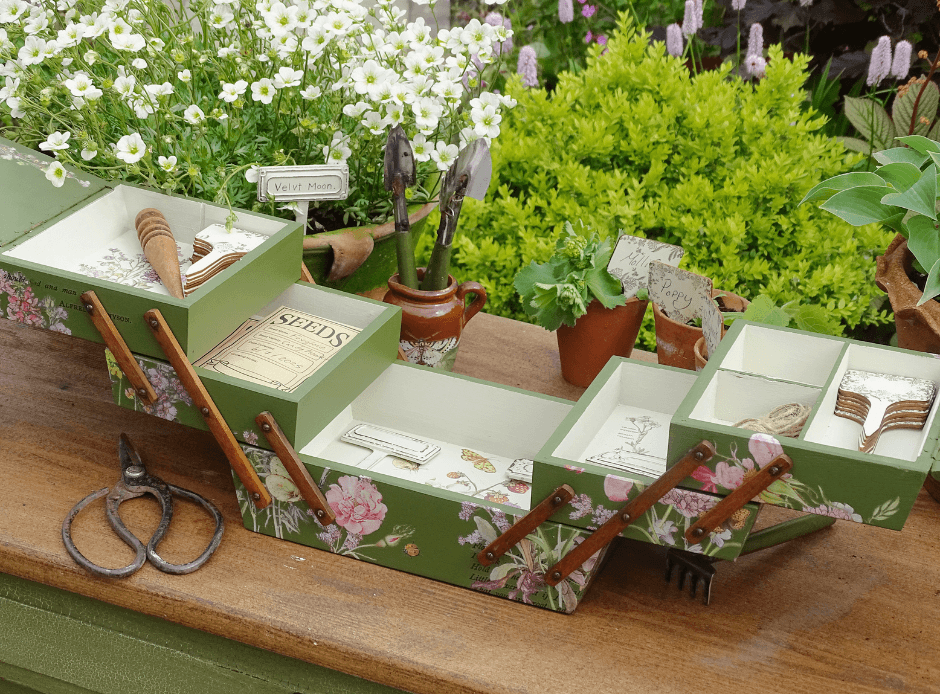
HOW TO MAKEOVER A VINTAGE STORAGE CADDY WI...
Pin this article to save for later If you're anything like us, you can't resist giving a beautiful vintage find a second life. In this project, our talented IOD Artisan Jonathon Marc Mendes transforms a...
