


Back to the Basics with IOD Transfers: Guide, Tips & Tutorials

Even the most seasoned makers can use a back-to-basics refresh now and then. When you’ve done something a hundred times, it’s easy to skip a step, rush the prep, or forget the little details that make everything run smoothly. Ask us how we know. 😅
If you’re new to IOD Transfers, welcome! And if you’ve been using them for years, you’re in the right place too. Nobody outgrows the basics, and some of the best “ohhh, that’s why!” moments come from small tweaks, like starting with the right surface, taping for placement, which sealer to use, and working in sections.
In Back to the Basics with IOD Transfers, we’ve gathered our most helpful tips, tutorials, and resources from the IOD team and our talented Artisans, so you have a go-to guide whenever you need a refresher. Grab a transfer you’ve been saving for “the perfect project” and let’s make something lovely together.
The Basics
What are IOD Transfers?
IOD Transfers are pressure-sensitive images that rub onto various surfaces, including but not limited to large furniture, small decor, and crafts. When we design our transfers, it's important to us to approach them with sustainable, classic designs so that you know your hard work and artistry will be appreciated for years to come.
With a little instruction, they are easy to use and add instant beauty to your projects.
What can I use to seal IOD Transfers?
When it’s time to seal, you should always use a water-based topcoat. Solvent-based sealers are a no-go here. They can distort or damage the transfer, so stick with a quality water-based sealer (wax is also perfectly fine as your final finish, once everything is protected). An easy way to remember this is wax is ALWAYS last. Wax is the final step, so it doesn’t interfere with adhesion or protection.
Another tip is to watch out for applying a transfer over paint that’s dry to the touch but not fully cured. It might feel ready, but if the paint hasn’t cured, the transfer can grab onto it, and when you lift or burnish, you may end up pulling paint right off the surface underneath.
Water-Based Top Coat
This is the most common way to seal IOD Transfers and can be used on anything from small decor, mixed media, and journal covers to large furniture pieces.
Spray Top-Coat Sealer
A spray top coat sealer is a handy backup to a brush-on water-based top coat. It all comes down to your project and the tools you have on hand.
Clear Wax Sealer
Sealing your transfer project with clear wax is common on small decor and furniture to keep the colors vibrant and protect the surface. Dark wax could be used for an added vintage finish.
Resin
If you want to speed things up and still get gorgeous results, try using UV resin. Swirl on a generous amount, almost like you’re frosting a cookie or cupcake, then use a small tool or popsicle stick to smooth it evenly across the surface. Make sure you follow the manufacturer's instructions when working with resin. 24-hour resin is a great alternative to UV resin.
Back to the Basics: Step-by-Step Guide
STEP ONE: PREP YOUR PROJECT
Start with a clean, dry, matte surface. If your piece is painted, make sure the paint is fully cured and not just dry to the touch. If you sanded, wipe away all dust—even a fine powdery layer can interfere with adhesion.
For the best grip, seal your surface first with a high-quality, water-based polyurethane sealer in matte, and let it dry.
STEP TWO: PLAN YOUR PLACEMENT
Before you peel anything, hold the transfer over your project and decide exactly where you want it. Measure if needed, and don’t be afraid to mark light guide points with painter’s tape. A little planning saves a lot of “oops.”
STEP THREE: REMOVE THE BACKING A “HOVER” INTO PLACE
Carefully peel the transfer off the white backing sheet. Keep the adhesive side clean and avoid letting it touch the table, your hands, or itself.
Slowly lower it onto your surface without letting it touch until you’re happy with the placement. Once it’s where you want it, commit to your placement by pressing the transfer down with light pressure. It’ll begin to adhere on its own until you’re ready to burnish.
Quick tip: Use small pieces of low-tack tape to hold it in place if you’re working on curved surfaces.
STEP FOUR: BURNISH (A.K.A THE FREE ARM WORKOUT)
Using the included applicator stick or your favorite burnishing tool, start at one end and rub firmly, working across the design in sections.
Keep going until the image has fully released from the carrier sheet. If you lift a corner and see spots that didn’t transfer, just lay it back down and rub that area again.
STEP FIVE: SMOOTH AND CHECK YOUR EDGES
Once the transfer is down, cut off a piece of the carrier sheet to gently smooth any edges or bits that aren’t fully flat. Take a minute to inspect the whole design and make sure everything is nicely adhered.
STEP SIX: SEAL IT IN
Protect your work with a water-based sealer (avoid harsh solvent-based products). Waxes made for chalk-type paint can also work well as long as they don’t contain harsh solvents. Let your topcoat dry fully, and enjoy your beautifully detailed finish.
Tutorials & Inspiration for All Levels
Beginner-Friendly Projects
Intermediate Projects
Seasonal Favorites
Frequently Asked Questions
How to care for IOD Transfers?
Keep your transfer on its backing sheet until you’re ready to apply, and store it somewhere clean so it stays free of dust and debris. Avoid letting the adhesive side touch anything before it’s on your project, and try not to let it fold onto itself, especially if you’re working in a breezy spot.
For best results, store your transfers away from extreme heat, cold, or humidity, since those conditions can affect the adhesive over time.
How to get the most mileage out of IOD Transfers?
To get the most mileage out of IOD Transfers, think of one sheet as a whole repertoire—not a one-and-done. The easiest way is to break a transfer into sections, then use those pieces across multiple projects instead of committing the entire design to one surface. It can feel a little intimidating to cut into a big, beautiful sheet, but once you do it, you’ll wonder why you waited.
One of our favorite examples is from IOD Artisan Lynne Brundage, who used a single Joie Des Roses Transfer to create six decorative risers. She also shows how much the look can change just by switching up your background color—the same design reads totally different on dark, light, warm, or moody bases. Check out the blog post here.
Save your transfer scraps! It’s always a good idea to save your transfer scraps, not only because it’s more sustainable but because you’ll often find ways to use those leftovers in other projects in the future to add that perfect little touch. Another quick tip for transfer scrap storage: tape the backing sheet back onto the carrier sheet so all your little bits stay together. Then tuck them into an IOD stamp envelope for easy storage.
Peggy from Gardenhouse Studio uses leftover transfer snippets to create unique, beautiful projects. Those tiny florals, little labels, corners, and decorative bits are perfect for the finishing touch on small decor, tags, trays, jars, frames, or even tucking into a mixed media piece. So go ahead… keep a little stash. You’ll be amazed at how often those scraps become the star of the next project. Check out the blog here.
How to trim and layer IOD Transfers?
IOD Artisan Lynne Brundage shares helpful tips in her Joie Des Roses dresser tutorial. She starts by laying out all 8 pages using the guide on the back of the package, so the whole design makes sense before a single cut is made.
From there, Lynne preps her dresser with a chalk-type paint and makes sure the surface is clean, dry, and dust-free. She finds the center point, marks it, then tapes the transfer (with the backing still on) right onto the dresser to audition placement and visualize the layout. When she’s ready to apply, she works in sections and carefully burnishes into the raised edges and little nooks so every detail settles in beautifully.
For trimming, she tapes the sheet in place, slowly peels back the backing to see exactly what needs to go, then traces her cut line on the outside of the carrier sheet with a permanent marker—often around a larger motif like a floral—so the final trim feels intentional and seamless. Follow along in her YouTube tutorial for more tips.
P.S. Layering transfers with snippets from our gold and silver gilded transfers is such a lovely way to add depth and build a vintage sophisticated finish.
We hope this little Back to the Basics guide is the gentle nudge you needed to delve in. You don’t have to get it perfect—you just have to start. ❤️
Grab your favorite IOD Transfers from a local or online stockist, pick one simple project from the list above, and give yourself permission to play a little. We’d absolutely love to see what you create, so don’t forget to tag us or share your makes in the Creative Tribe. Your creativity really does inspire this whole community.
 ×
×

Framed in Beauty | How to Create Vintage-I...
Pin this article to save for later If you've ever walked past an antique shop window, spotted a gorgeous gilded frame, and thought, 'I could make that, ' this project is about to prove you...
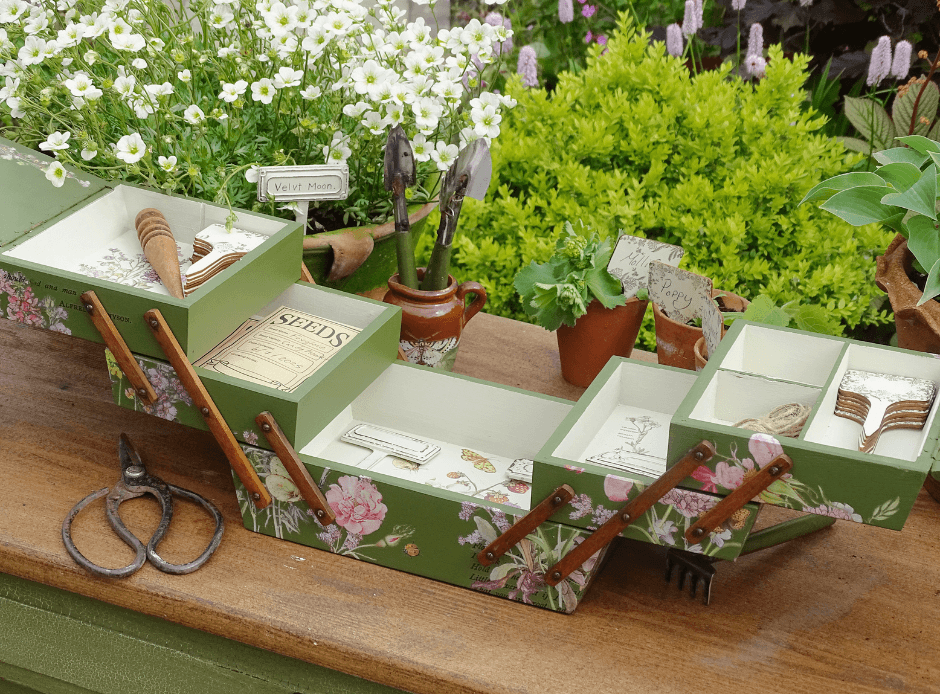
HOW TO MAKEOVER A VINTAGE STORAGE CADDY WI...
Pin this article to save for later If you're anything like us, you can't resist giving a beautiful vintage find a second life. In this project, our talented IOD Artisan Jonathon Marc Mendes transforms a...
