


Back to the Basics with IOD Gilded Transfers: Guide, Tips & Tutorials

The Basics
What are IOD Gilded Transfers?
IOD Gilded Transfers are the shimmery cousins of our classic IOD Transfers. They’re pressure-sensitive, rub-on designs just like our full-color transfers, but designed in gold and silver for a luminous finish.
Our specially formulated materials are designed for decor surfaces, ensuring maximum adhesion and durability. Use them on their own for delicate detail, or layer them with our full-color transfers to highlight edges, frames, and typography. These gold leaf-like transfers can be applied to the same surfaces as our full-color transfers. Much like traditional gold leafing, the delicate gold transfers can add subtle, random bits of gold that enhance the authentic look of leafing, giving your creations a truly refined finish.
What can I use to seal IOD Gilded Transfers?
Once applied, we highly recommend sealing with two topcoats of a water-based sealer. This will enhance the durability of your project. Depending on which protective top coat you use, the final sheen can be toned (more or less shimmer).
Water-Based Top Coat
This is the most common way to seal IOD Transfers and can be used on anything from small decor, mixed media, and journal covers to large furniture pieces.
Spray Top-Coat Sealer
A spray top coat sealer is a handy backup to a brush-on water-based top coat. It all comes down to your project and the tools you have on hand.
Handy Tip: Depending on the final top coat used, you can maximize or play down the final sheen of the transfer to fit your project's aesthetic. We don’t recommend a matte sealer—matte sealers can soften (and sometimes dull) that gorgeous foiled glow. Instead, use a sealer with a little sheen, or choose one that’s specifically labeled for use over gold foil, since those are typically formulated and tested to preserve the brightest shine.
You do not need to seal on glass. Just wipe it clean with a soft, dry cloth and skip solvents or harsh cleaners so you do not interfere with the finish.
Quick Tip: Watch out for applying a gilded transfer over paint that’s dry to the touch but not fully cured. It might feel ready, but if the paint hasn’t cured, the gilded transfer can grab onto it, and when you lift or burnish, you may end up pulling paint right off the surface underneath.
Back to the Basics: Step-by-Step Guide
STEP ONE: PREP YOUR PROJECT
Start with a clean, dry, matte surface. If your piece is painted, make sure the paint is fully cured and not just dry to the touch. If you sanded, wipe away all dust—even a fine powdery layer can interfere with adhesion.
For the best grip, seal your surface first with a high-quality, water-based polyurethane sealer in matte, and let it dry.
STEP TWO: PLAN YOUR PLACEMENT
Before you peel anything, hold the gilded transfer over your project and decide exactly where you want it. Measure if needed, and don’t be afraid to mark light guide points with masking or painter’s tape. A little planning saves a lot of “oops.”
Tape is your best friend for this one. Since you can’t always see exactly where the foil is landing, a few small pieces of painter’s tape will hold everything steady while you work—especially when you’re “riding the bubble.” These designs can take a little coaxing, so it helps to tack the sheet in place, lift one corner, and work slowly and systematically. Then you can peek, lay it right back down in the exact same spot, and keep going without shifting.
STEP THREE: REMOVE THE BACKING A “HOVER” INTO PLACE
Carefully peel the transfer off the backing sheet. Keep the adhesive side clean and avoid letting it touch the table, your hands, or itself.
Slowly lower it onto your surface without letting it touch until you’re happy with the placement. Once it’s where you want it, commit to your placement by pressing the gilded transfer down with light pressure. It’ll begin to adhere on its own until you’re ready to burnish.
Quick tip: Use small pieces of low-tack tape to hold it in place if you’re working on curved surfaces.
STEP FOUR: BURNISH (A.K.A THE FREE ARM WORKOUT)
Using the included applicator stick or your favorite burnishing tool, start at one end and rub firmly, working across the design in sections.
Keep going until the image has fully released from the carrier sheet. If you lift a corner and see spots that didn’t transfer, just lay it back down and rub that area again.
If you are familiar with our transfers, these apply similarly. However, some areas of final detail will require a little patience. Make sure to press no harder than you usually do, as this can hinder rather than help in application.
STEP FIVE: SMOOTH AND CHECK YOUR EDGES
Once the gilded transfer is down, cut off a piece of the carrier sheet to gently smooth any edges or bits that aren’t fully flat. Take a minute to inspect the whole design and make sure everything is nicely adhered.
STEP SIX: SEAL IT IN
Protect your work with a water-based sealer (avoid harsh solvent-based products). Let your topcoat dry fully, and enjoy your beautifully detailed finish.
Tutorials & Inspiration for All Levels
Beginner-Friendly Projects
Intermediate Projects
Seasonal Favorites
We hope this little Back to the Basics guide is the gentle nudge you needed to delve in. You don’t have to get it perfect—you just have to start. ❤️
Grab your favorite IOD Transfers from a local or online stockist, pick one simple project from the list above, and give yourself permission to play a little. We’d absolutely love to see what you create, so don’t forget to tag us or share your makes in the Creative Tribe. Your creativity really does inspire this whole community.
 ×
×
popular
- They're Back | 3 DIY Christmas Ornaments with IOD's Most-Requested Holiday Moulds
- Before the Wall | How Jonathon Builds an Autumn Gallery Wall with IOD
- Don't Let Fall End Without Making These 9 Cozy DIY Projects
- Gathered in Gratitude | Autumn Wall Art with IOD | Lisa from Sweet and Sassy Treasures
- Autumn Harvest Tray with IOD Moulds

Framed in Beauty | How to Create Vintage-I...
Pin this article to save for later If you've ever walked past an antique shop window, spotted a gorgeous gilded frame, and thought, 'I could make that, ' this project is about to prove you...
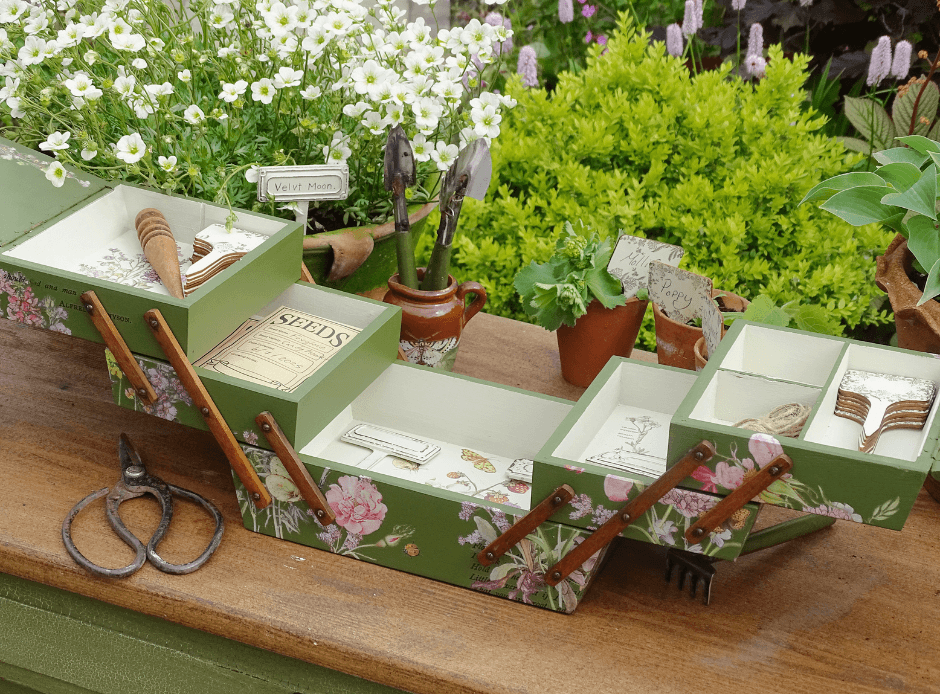
HOW TO MAKEOVER A VINTAGE STORAGE CADDY WI...
Pin this article to save for later If you're anything like us, you can't resist giving a beautiful vintage find a second life. In this project, our talented IOD Artisan Jonathon Marc Mendes transforms a...
